Metal fragments in feed, forage, and grazing areas can create serious health risks for cattle, particularly in large-scale livestock operations where feed handling and farm equipment are used every day. Cow Ruminal Magnets provide a preventive approach by attracting and retaining ferromagnetic foreign objects in the reticulum, helping reduce the risk of hardware disease (traumatic reticuloperitonitis). From commercial dairy farms and beef cattle operations to intensive feedlots, cow rumen magnets support herd health management in production environments where accidental metal ingestion is a concern. BeiLun Meank supplies different cow ruminal magnet designs for livestock farms, veterinary distributors, and agricultural product wholesalers.
Cow ruminal magnets, also known as cattle magnets, cow stomach magnets, or intraruminal magnets, are veterinary devices administered orally to cattle. After being swallowed, a magnet moves into the reticulum, a compartment of the ruminant stomach where heavy foreign objects can accumulate.
The reticulum plays an important role in sorting ingested materials. Heavy metallic objects, including nails, pieces of wire, and sharp metal fragments, may settle in this compartment. Reticular contractions can push sharp objects against or through the reticular wall, potentially causing traumatic reticuloperitonitis, commonly known as hardware disease.
A cow ruminal magnet attracts and holds ferromagnetic objects, helping reduce the likelihood that these objects will penetrate the reticular wall.
Several technical terms are important when understanding how these devices work:
Reticulum: The stomach compartment where heavy foreign objects may accumulate.
Ferromagnetic materials: Materials such as iron and certain steel alloys that are attracted to magnets.
Traumatic Reticuloperitonitis (TRP): Inflammation caused when a foreign object penetrates the reticulum and may lead to infection in surrounding tissues.
Intraruminal magnet: A magnet designed for oral administration and retention within the reticulo-rumen.
It is important to understand that ruminal magnets do not attract every type of metal. Aluminum and other nonmagnetic materials are generally not captured by conventional cow magnets.
2. Which Industries Benefit Most from Cow Ruminal Magnets?
Cow ruminal magnets are particularly relevant to livestock production systems where cattle may encounter metal fragments through feed, forage, fencing, or farm equipment. The following industries can benefit from incorporating them into veterinary-approved herd health programs.
2.1 Dairy Farming Industry
Commercial dairy farms are among the most important application areas for cow ruminal magnets.
Dairy cattle are frequently managed in organized feeding systems involving hay, silage, total mixed rations (TMR), and mechanical feed distribution. Metal fragments can enter these materials through damaged equipment, fencing components, or contaminated forage.
Hardware disease can cause reduced feed intake, decreased rumen motility, abdominal pain, and lower milk production. These problems can affect individual cow performance and create additional veterinary and management costs.
Cow ruminal magnets help dairy producers manage the risk of ferromagnetic foreign-body injuries, particularly in herds with a history of hardware disease or potential metal contamination in feed.
Key applications:
Commercial milk production farms
Large-scale dairy cattle operations
TMR-based feeding systems
Dairy herd health management programs
Replacement heifer management
2.2 Beef Cattle Farming Industry
Beef cattle farms can also benefit from cow ruminal magnets, especially when cattle are raised in environments where feed and pasture contamination may occur.
Beef cattle may encounter metal fragments from broken fencing, discarded wire, damaged feeding equipment, or contaminated hay. These objects can be swallowed accidentally during grazing or feeding.
Hardware disease may lead to reduced appetite, poor growth performance, reluctance to move, and other clinical problems. For beef producers, maintaining normal feeding behavior and minimizing preventable health problems are important for consistent herd management.
In beef cattle operations, ruminal magnets can be incorporated into preventive veterinary management when the herd's exposure history and risk level justify their use.
Key applications:
Commercial beef cattle farms
Cow-calf operations
Pasture-based cattle production
Breeding cattle management
Beef cattle health management programs
2.3 Cattle Feedlot Industry
Cattle feedlots are another important application area because they often use centralized feeding and mechanical material-handling systems.
Feed preparation may involve mixer wagons, conveyors, storage facilities, and other equipment. Damaged components or contaminated feed ingredients can introduce metal fragments into the feeding process.
The risk is particularly relevant when large groups of cattle consume feed from shared feeding systems. A contaminated batch of feed may expose multiple animals before the source is identified.
Cow ruminal magnets can form part of a broader preventive approach for feedlot cattle, alongside equipment maintenance, feed inspection, and regular cleaning of feeding areas.
Key applications:
Intensive beef cattle feedlots
Commercial cattle finishing facilities
Centralized feed mixing operations
Large-scale livestock feeding systems
2.4 Commercial Cattle Ranching
Commercial cattle ranches often manage large herds across extensive grazing areas. Although pasture-based production differs from intensive feedlot management, cattle can still encounter foreign objects in their environment.
Broken fencing wire, metal debris, discarded agricultural materials, and damaged farm equipment may become accessible to grazing animals.
Ranch operators can include cow ruminal magnets in herd health strategies when local environmental conditions or previous cases indicate a meaningful risk of metal ingestion.
This application is especially relevant to large cattle ranches that combine pasture grazing with supplementary hay or mechanically distributed feed.
Key applications:
Large commercial cattle ranches
Extensive grazing operations
Mixed pasture and supplementary feeding systems
Cattle breeding and herd management operations
2.5 Dairy Heifer and Breeding Cattle Operations
Replacement heifers and breeding cattle are valuable components of long-term livestock production.
Heifers raised for future milk production may enter different feeding and housing systems as they mature. Breeding cattle may also remain within a herd for multiple production seasons.
Preventive ruminal magnet administration may be considered as part of veterinary herd management, particularly before animals enter production systems where exposure to metal fragments is a concern.
The timing and suitability of administration should be determined according to animal age, body size, product design, and veterinary recommendations rather than applying one schedule to every herd.
Key applications:
Dairy replacement heifer farms
Cattle breeding facilities
Commercial breeding herds
Long-term dairy herd management
3. Why Are Cow Ruminal Magnets Important for Livestock Industries?
The value of cow ruminal magnets is not limited to attracting metal objects. Their role is connected to preventing avoidable injuries and supporting more consistent livestock management.
3.1 Reducing the Risk of Hardware Disease
Sharp metallic foreign bodies can penetrate the reticular wall and cause inflammation, infection, and complications involving surrounding organs.
A properly administered ruminal magnet attracts and retains susceptible metal fragments, helping reduce the risk of further penetration.
3.2 Supporting Normal Feeding and Milk Production
Hardware disease may cause reduced appetite, impaired rumen motility, abdominal pain, and decreased milk production.
Reducing the risk of metal-related reticular injuries supports the health conditions needed for normal feeding and productive performance.
3.3 Supporting Large-Scale Herd Management
For dairy farms, feedlots, and commercial cattle ranches, preventive health measures need to fit routine herd management.
Cow ruminal magnets can be incorporated into veterinary-approved herd health programs, particularly in operations with documented exposure to metal foreign bodies.
3.4 Complementing Feed and Equipment Management
Magnets should not replace environmental controls.
Regular inspection of feeding equipment, removal of damaged fencing materials, and prevention of metal contamination in hay and TMR remain important. Feed-processing equipment may also require appropriate magnetic separation systems to remove metal before feed reaches cattle.
Combining these measures provides a more comprehensive approach to hardware disease prevention.
4. Different Cow Ruminal Magnet Designs for Livestock Applications
Different cattle operations may require different ruminal magnet structures depending on their management practices and product requirements.
BeiLun Meank provides several cow ruminal magnet designs for livestock and veterinary product applications.
4.1 Ceramic Cow Ruminal Magnets
Ceramic cow magnets are designed for intraruminal use and attract ferromagnetic foreign objects. They are an established option for cattle health management.
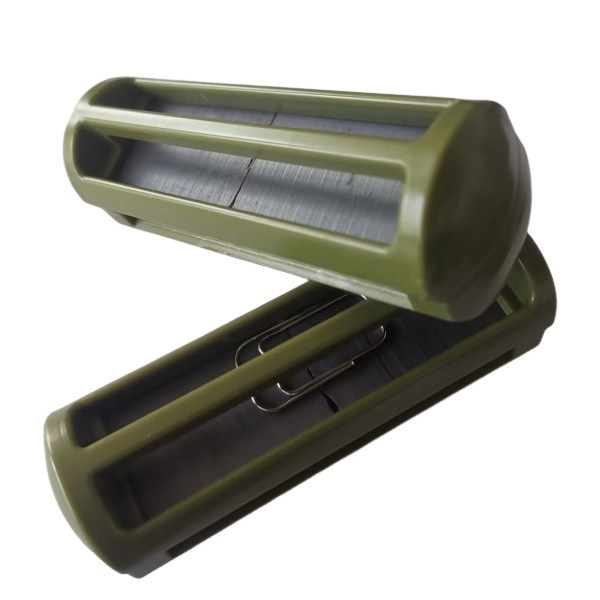
4.2 Ruminal Cage Magnets
Cage-style ruminal magnets incorporate a magnetic element within a structured housing. The cage design provides a defined structure for retaining attracted metallic fragments.
4.3 Ring Cow Magnets
Ring-style cow magnets feature a ring-shaped structure. Their geometry distinguishes them from conventional cylindrical designs and provides another option for different product specifications.
4.4 Ruminal Magnet Cages
Ruminal magnet cages are designed to provide a structured magnetic assembly for cattle applications. Material, dimensions, magnetic properties, and construction should be matched to the intended veterinary application.
5. How to Choose the Right Cow Ruminal Magnets for Different Industries
Different livestock operations have different management requirements. Selecting suitable cow ruminal magnets involves considering the following product characteristics:
| Selection Factor | Importance |
|---|
| Magnetic strength | Determines the magnet's ability to attract ferromagnetic foreign objects. |
| Magnet material | Affects magnetic performance and product characteristics. |
| Dimensions | Must be suitable for the intended cattle category and administration method. |
| Structural design | Influences the configuration and retention of captured metal fragments. |
| Surface condition | Helps maintain an appropriate finish for intraruminal use. |
| Corrosion resistance | Important for a product intended for extended exposure to the digestive environment. |
| Manufacturing consistency | Supports consistent product dimensions and magnetic properties across production batches. |
The correct product should be selected according to the intended animal category, veterinary requirements, and actual operating conditions.
6. Cow Ruminal Magnets Manufacturer – BeiLun Meank
BeiLun Meank provides cow ruminal magnets for livestock farms, veterinary product distributors, agricultural equipment suppliers, and wholesale buyers.
Our product range includes ceramic cow magnets, ruminal cage magnets, ruminal magnet cages, and ring cow magnets to serve different cattle management applications.
For commercial dairy farms, beef cattle operations, and feedlot management, BeiLun Meank focuses on supplying ruminal magnet products with different structural designs and specifications.
Whether you are sourcing cow ruminal magnets for veterinary distribution or bulk livestock product supply, BeiLun Meank can discuss suitable product configurations, dimensions, magnet materials, and packaging requirements.
Explore the BeiLun Meank cow ruminal magnet range to learn more about available designs and product options.
7. Frequently Asked Questions About Cow Ruminal Magnets
Q1. Which industries use cow ruminal magnets most frequently?
Dairy farming, beef cattle production, and cattle feedlot operations are major application areas. Commercial ranches and breeding operations may also use ruminal magnets as part of veterinary-approved preventive health programs.
Q2. Why are cow ruminal magnets particularly useful on dairy farms?
Dairy farms commonly use mechanical feed preparation, silage handling, and TMR distribution systems. These processes can create opportunities for metal contamination. Ruminal magnets help retain ferromagnetic fragments that cattle may accidentally swallow, reducing the risk of hardware disease.
Q3. Can beef cattle and feedlot cattle use ruminal magnets?
Yes. Ruminal magnets are used in both dairy and beef cattle. Their suitability depends on the animal's age, size, health status, exposure risk, and veterinary recommendations.
Q4. What types of metal can cow ruminal magnets attract?
Conventional cow ruminal magnets attract ferromagnetic materials, including iron and certain steel fragments. They do not reliably attract nonmagnetic materials such as aluminum.
Q5. Do cow ruminal magnets replace feed inspection and equipment maintenance?
No. Ruminal magnets are one component of hardware disease prevention. Maintaining clean feeding areas, inspecting fences, checking feed-processing equipment, and preventing metal contamination remain essential.
Q6. What types of cow ruminal magnets does BeiLun Meank supply?
BeiLun Meank offers ceramic cow magnets, ruminal cage magnets, ruminal magnet cages, and ring cow magnets for livestock and veterinary product applications. Different designs and specifications are available for different product requirements.
Conclusion
Cow ruminal magnets are relevant to several livestock industries, but their value is particularly clear in commercial dairy farms, beef cattle operations, and intensive feedlots where feed handling and farm equipment can create opportunities for accidental metal ingestion.
By attracting and retaining ferromagnetic foreign objects in the reticulum, these devices help reduce the risk of hardware disease and support preventive cattle health management. They work best alongside regular feed inspection, equipment maintenance, and veterinary herd health programs.
For livestock product distributors, veterinary suppliers, and commercial cattle operations, BeiLun Meank offers different cow ruminal magnet designs to meet a range of livestock application requirements. Explore our product range to find suitable cow ruminal magnets for your market and business.