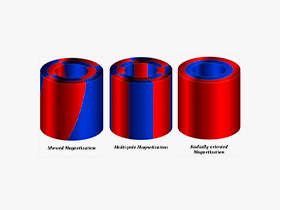
Cow Ruminal Magnets are widely used in cattle health management to help reduce the risk of hardware disease, but incorrect selection, administration, and management can limit their effectiveness. On dairy farms, beef cattle operations, and commercial feedlots, mistakes such as administering duplicate magnets, overlooking existing metal injuries, or relying on magnets as the only preventive measure can create unnecessary health risks. Understanding how cow rumen magnets, cattle ruminal magnets, and rumen magnets for cows work is essential for using them as part of a responsible herd health program.
Cow ruminal magnets, also called cattle stomach magnets or intraruminal magnets, are veterinary devices designed to attract and retain ferromagnetic foreign objects inside the reticulum.
The reticulum is one of the compartments of a ruminant's stomach. Its contractions help move ingested materials through the digestive system, but heavy foreign objects such as nails, iron wire, and steel fragments may settle in this compartment.
When sharp metal objects become trapped in the reticulum, they can penetrate its wall and cause traumatic reticuloperitonitis (TRP), commonly known as hardware disease.
A properly administered ruminal magnet attracts susceptible metallic fragments and holds them together, helping reduce the possibility of further penetration and injury.
Several technical terms are important:
Reticulum: The stomach compartment where heavy foreign objects can accumulate.
Ferromagnetic materials: Materials such as iron and certain steel alloys that respond strongly to magnetic fields.
Hardware Disease: A condition caused by sharp foreign objects penetrating the reticular wall.
Intraruminal Administration: Oral administration of a device designed to remain within the reticulo-rumen.
Traumatic Reticuloperitonitis: Inflammation of the reticulum and surrounding abdominal tissues following foreign-body penetration.
Understanding these principles helps cattle producers avoid common mistakes when selecting and using ruminal magnets.
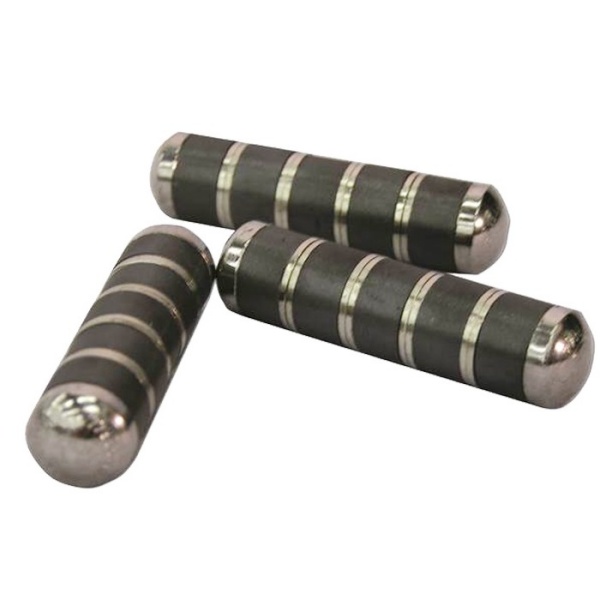
2. 8 Common Mistakes When Using Cow Ruminal Magnets
2.1 Assuming Cow Ruminal Magnets Attract All Types of Metal
One of the most common misunderstandings is believing that cow ruminal magnets can capture every metallic object swallowed by cattle.
In reality, conventional ruminal magnets primarily attract ferromagnetic materials, including iron and certain steel fragments. They do not reliably attract nonmagnetic materials such as aluminum.
This distinction matters because metal contamination in livestock environments can involve different materials.
For example:
Iron wire from damaged fencing may be attracted to a ruminal magnet.
Steel fragments from damaged feeding equipment may also be captured.
Aluminum fragments may not respond to a conventional cow magnet.
Sharp nonmetallic foreign objects cannot be captured magnetically.
How to avoid this mistake:
Understand the magnetic properties of the foreign materials that may be present in the cattle's environment. Do not treat a ruminal magnet as a universal foreign-body removal device.
2.2 Administering Cow Ruminal Magnets Without Considering Animal Age
Another mistake is administering ruminal magnets without following an appropriate herd health schedule.
Animal age, body size, management conditions, and exposure to metal contaminants all influence preventive management decisions.
According to the MSD Veterinary Manual, there is good evidence supporting the administration of ruminal magnets to cattle at approximately one year of age to minimize the incidence of traumatic reticuloperitonitis.
However, this does not mean that every animal should automatically receive a magnet at exactly the same age. Veterinary recommendations should account for the animal's condition and the management system.
How to avoid this mistake:
Establish a consistent preventive administration schedule with a veterinarian. Consider the age and development of cattle, existing herd management practices, and the history of metal contamination.
2.3 Giving Multiple Cow Ruminal Magnets Without Checking Previous Administration
Administering an additional magnet without checking whether the animal already has one is another avoidable mistake.
Ruminal magnets are generally intended to remain in the reticulo-rumen for an extended period. Therefore, cattle may already have a magnet from an earlier preventive administration.
Giving another magnet automatically does not guarantee better protection.
The MSD Veterinary Manual specifically states that initial medical treatment for suspected hardware disease should involve one rumen magnet per animal if the animal does not already have one.
However, additional intervention may sometimes be considered by a veterinarian when clinical circumstances require it.
How to avoid this mistake:
Maintain individual cattle health records, including magnet administration dates and relevant veterinary treatments. Check previous records before administering another magnet.
Never assume that a second magnet is necessary simply because an animal shows signs of illness.
2.4 Using Improper Administration Equipment or Incorrect Techniques
Cow ruminal magnets are normally administered orally using a suitable veterinary balling gun.
Incorrect administration can create unnecessary risks, including:
Failure to deliver the magnet successfully.
Regurgitation or rejection of the device.
Injury to the mouth or throat.
Aspiration or other complications associated with improper oral administration.
Another mistake is using a magnet that was not designed for intraruminal veterinary applications.
A general-purpose industrial magnet should not automatically be considered suitable for cattle.
How to avoid this mistake:
Use a properly designed cattle ruminal magnet and compatible veterinary administration equipment. Administration should be performed by trained personnel following veterinary guidance and the product's instructions.
2.5 Relying on Cow Ruminal Magnets as the Only Hardware Disease Prevention Method
A ruminal magnet is a useful preventive tool, but it cannot replace proper farm sanitation and equipment management.
Metal fragments can enter cattle feed through damaged mixer wagons, contaminated hay, broken fencing, and discarded agricultural materials.
If these contamination sources remain uncontrolled, cattle may continue to encounter foreign objects.
The University of Missouri Extension identifies keeping feed bunks, pastures, and pens free of metal objects as important preventive measures.
How to avoid this mistake:
Combine ruminal magnet administration with environmental management:
Inspect feed bunks and feeding areas regularly.
Remove broken fencing wire, nails, and metal debris.
Maintain feed mixers and material-handling equipment.
Use magnetic separators in feed-processing systems.
Keep cattle away from construction debris and dismantled structures.
A combination of preventive measures is more reliable than depending on a single device.
2.6 Assuming Cow Ruminal Magnets Can Treat Every Case of Hardware Disease
A particularly serious mistake is treating a ruminal magnet as a complete cure for established traumatic reticuloperitonitis.
Although magnets can capture ferromagnetic objects, their effectiveness depends partly on the position of the foreign body.
According to the MSD Veterinary Manual, objects located against the ventral aspect of the reticulum or positioned upright are generally easier for a magnet to capture than objects that are not in contact with the ventral surface or have already penetrated the reticular wall.
Once a sharp object has penetrated the reticulum, inflammation, infection, and complications involving surrounding organs may develop.
In such cases, a magnet alone may not be sufficient.
How to avoid this mistake:
Seek veterinary examination when cattle show symptoms associated with hardware disease, including:
Sudden reduction in feed intake.
Decreased milk production.
Fever.
Reduced rumen motility.
An arched back.
Reluctance to walk or move.
Signs of abdominal pain.
Veterinarians may use radiography to identify metallic foreign bodies and ultrasonography to evaluate inflammation around the reticulum.
Depending on the diagnosis, treatment may involve a rumen magnet, antimicrobial therapy, anti-inflammatory medication, supportive care, or surgical intervention.
2.7 Ignoring Follow-Up After Administering Cow Ruminal Magnets
Another mistake is assuming that successful oral administration automatically means the animal is protected or that an existing injury has been resolved.
Monitoring is important, especially when a magnet is administered as part of treatment for suspected hardware disease.
The MSD Veterinary Manual identifies normalization of rectal temperature and improvements in eating and rumination within 3–5 days as clinical indicators of successful medical treatment.
Radiographic confirmation that the foreign body is completely attached to the magnet provides additional evidence of treatment success.
These observations are clinical monitoring indicators, not a reason to delay veterinary examination when symptoms first appear.
How to avoid this mistake:
Maintain regular observation of cattle after administration. Pay attention to feed intake, rumination, body condition, milk production, and changes in behavior.
If symptoms persist or worsen, veterinary reassessment is necessary rather than simply assuming that the magnet has worked.
2.8 Choosing Cow Ruminal Magnets Based Only on Appearance or Price
Product selection is another area where mistakes can occur.
Two ruminal magnets may look similar but have different materials, dimensions, magnetic properties, and structural designs.
A product intended for intraruminal use must be designed for the conditions associated with the cattle digestive environment.
Important product characteristics include:
Magnetic material and performance.
Overall dimensions and structure.
Surface finish.
Corrosion resistance.
Manufacturing consistency.
Suitability for the intended cattle category.
Choosing a product solely because it looks similar to another magnet or has a lower purchase price may overlook important differences in product specifications.
How to avoid this mistake:
Evaluate the product's intended veterinary application, material specifications, dimensions, and magnetic performance. Consistent manufacturing quality is particularly important for veterinary distributors and bulk livestock product buyers.
3. Where Are Cow Ruminal Magnet Management Mistakes Most Common?
Different livestock production systems face different metal contamination risks. Understanding these environments helps producers develop more appropriate preventive management practices.
3.1 Dairy Farms
Dairy farms frequently use mechanical feed mixing, silage handling, and centralized feed distribution systems.
Damaged equipment and contaminated forage may introduce metal fragments into cattle feed.
Dairy producers should pay particular attention to feed quality, equipment maintenance, and changes in milk production or feeding behavior.
3.2 Beef Cattle Farms
Beef cattle may encounter metal fragments while grazing or consuming supplementary feed.
Broken fencing, discarded wire, and damaged agricultural equipment can create potential foreign-body hazards.
Maintaining clean pastures and feeding areas is essential alongside appropriate ruminal magnet management.
3.3 Commercial Feedlots
Feedlots often use mixer wagons, conveyors, storage facilities, and centralized feeding systems.
Because large groups of cattle may consume feed from shared systems, contamination prevention should be integrated into routine equipment maintenance and feed handling.
3.4 Cattle Breeding Operations
Breeding farms manage cattle over multiple production stages. Late pregnancy is particularly relevant because abdominal pressure and changes in reticular positioning may increase the risk of foreign-body penetration.
Preventive magnet management, environmental inspection, and veterinary monitoring should be considered together.
4. Why Is Correct Cow Ruminal Magnet Management Important?
Avoiding the mistakes above provides several practical benefits for livestock operations.
4.1 Reducing the Risk of Hardware Disease
Correctly selected and administered magnets help capture susceptible metallic foreign objects, reducing the likelihood of further penetration into the reticular wall.
4.2 Supporting Cattle Health and Productivity
Hardware disease can affect feed intake, rumen motility, milk production, and overall animal condition.
Preventive management helps reduce avoidable health problems that may interfere with normal cattle production.
4.3 Improving Herd Management Efficiency
Maintaining administration records, monitoring cattle, and controlling metal contamination make preventive health programs easier to manage across large herds.
4.4 Supporting Veterinary Treatment Decisions
Understanding the limitations of ruminal magnets helps producers recognize when veterinary examination, diagnostic imaging, or additional treatment is necessary.
This prevents overreliance on magnets when an animal may already have a serious injury.
5. How to Maintain an Effective Cow Ruminal Magnet Management Program
An effective program combines suitable products, correct administration, and consistent farm management.
The following practices provide a practical framework:
| Management Area | Recommended Practice |
|---|
| Product selection | Use magnets designed for cattle intraruminal applications. |
| Administration | Follow veterinary recommendations and product instructions. |
| Animal records | Record magnet administration and relevant health information. |
| Feed management | Inspect forage, hay, silage, and mixed feed for contamination. |
| Equipment maintenance | Check mixer wagons, conveyors, and feeding machinery. |
| Environmental management | Remove wire, nails, and metal debris from cattle areas. |
| Health monitoring | Observe appetite, rumination, milk production, and behavior. |
| Veterinary support | Arrange examination when hardware disease is suspected. |
By integrating these practices, cattle producers can use ruminal magnets more appropriately as part of a broader hardware disease prevention strategy.
6. Cow Ruminal Magnets Manufacturer – BeiLun Meank
BeiLun Meank focuses on cow ruminal magnet products for livestock health management and veterinary-related applications.
For agricultural product distributors, veterinary supply businesses, and commercial livestock operations, product consistency and suitable structural specifications are important considerations.
BeiLun Meank incorporates the cow ruminal magnet product category into its livestock product offering, supporting different application requirements.
Whether the intended market serves dairy farms, beef cattle producers, or veterinary distributors, selecting an appropriate ruminal magnet is an important part of product quality and application suitability.
Explore BeiLun Meank's Cow Ruminal Magnets and related product information to learn more about available product specifications and applications.
7. Frequently Asked Questions About Cow Ruminal Magnets
Q1. How often should cow ruminal magnets be administered?
Ruminal magnets are generally designed for long-term retention within the reticulo-rumen. Preventive administration schedules depend on animal age, herd management practices, and veterinary recommendations. The MSD Veterinary Manual identifies approximately one year of age as an evidence-supported preventive timing for cattle.
Q2. Can a cow receive more than one ruminal magnet?
An additional magnet should not be administered automatically. Previous administration records should be checked first. The MSD Veterinary Manual recommends one magnet per animal during initial treatment of suspected hardware disease when no magnet is already present. Further treatment decisions should be made by a veterinarian.
Q3. Do cow ruminal magnets attract stainless steel?
It depends on the stainless steel grade and its magnetic properties. Conventional ruminal magnets primarily attract ferromagnetic materials. Some stainless steel grades are strongly magnetic, while others have weak or negligible magnetic responses.
Q4. Can cow ruminal magnets prevent hardware disease completely?
No. They help capture susceptible ferromagnetic objects but cannot prevent every type of foreign-body injury. Environmental metal removal, feed inspection, and equipment maintenance remain essential preventive measures.
Q5. What happens if a cow already has hardware disease?
A veterinarian should assess the animal. Diagnostic methods may include radiography, ultrasonography, and clinical examination. Treatment depends on the location of the foreign body, the severity of inflammation, and whether surrounding organs are affected.
Q6. How can buyers identify suitable cow ruminal magnets?
Important considerations include magnetic material, dimensions, structural design, surface finish, corrosion resistance, and suitability for intraruminal veterinary applications. Product specifications should be consistent with the intended cattle application.
Conclusion
Most mistakes when using Cow Ruminal Magnets come from misunderstanding their function, overlooking correct administration practices, or treating them as a replacement for comprehensive cattle health management.
For dairy farms, beef cattle operations, feedlots, and veterinary distributors, understanding the limitations and appropriate applications of cow rumen magnets, intraruminal magnets for cattle, and ruminal magnets for dairy cattle helps support more responsible livestock management.
A suitable product, veterinary-guided administration, and regular environmental inspection work together to reduce the risk of hardware disease.
BeiLun Meank is committed to serving the livestock product market with cow ruminal magnet solutions. Explore our product information to learn more about cattle ruminal magnet specifications and applications.