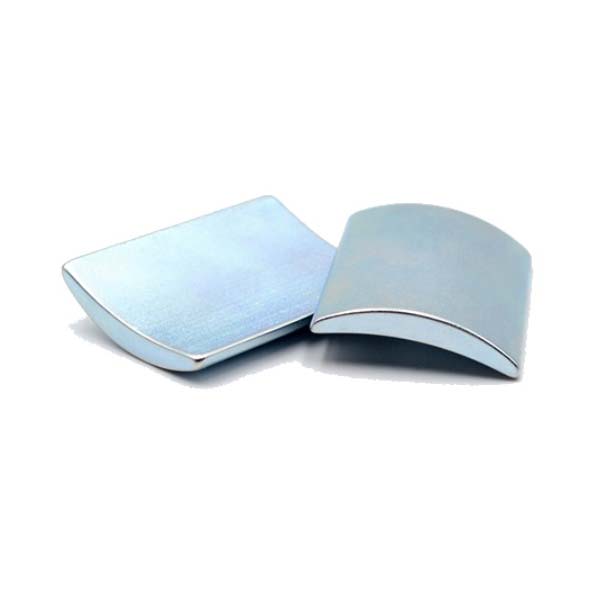
When cattle accidentally swallow nails, wire fragments, or other sharp metal objects, these foreign bodies can injure the reticulum and cause traumatic reticuloperitonitis, also known as hardware disease. Cow ruminal magnets help reduce this risk by attracting and retaining ferromagnetic debris inside the animal's digestive system. For livestock equipment distributors, veterinary suppliers, and cattle farm operators, understanding cow ruminal magnet materials is essential when comparing ceramic cow ruminal magnets, Alnico cattle magnets, and caged magnet designs. As a cow ruminal magnets manufacturer and supplier, BeiLun Meank provides different product configurations for livestock applications, helping B2B buyers evaluate material selection, structural design, and product specifications.
Cow ruminal magnets, also called cow magnets, cattle magnets, or rumen magnets, are designed to attract ferromagnetic foreign bodies that cattle may ingest through feed or pasture. Their performance depends on the magnetic core, magnetization configuration, protective structure, and overall product design.
The main materials and structural components used in cow ruminal magnets include:
Ferrite (ceramic): A permanent magnet material valued for its relatively low cost and corrosion resistance.
Alnico: A permanent magnet alloy containing aluminum, nickel, cobalt, and iron, with established applications in magnetic devices.
Neodymium-iron-boron (NdFeB): A rare-earth permanent magnet material with high magnetic energy density, used in selected magnetic assemblies.
Stainless steel: A material used in certain protective housings and structural components.
Nylon and other polymers: Materials that may be used in protective cages, coatings, and supporting structures.
These materials serve different purposes. Ferrite, Alnico, and NdFeB generate the magnetic field, while stainless steel and polymer components may protect the magnetic core or help form a structure for retaining collected metal fragments.
Not every cow ruminal magnet contains all these materials. The exact construction depends on the model and manufacturer, so buyers should verify the material specifications of the finished product.
Ferrite Ceramic Cow Ruminal Magnets: An Economical Material Choice
Ferrite magnets, commonly known as ceramic magnets, are made primarily from iron oxide combined with barium or strontium compounds. They are widely used in permanent magnet applications because of their relatively low material cost and good resistance to corrosion.
For livestock product suppliers, ferrite cow ruminal magnets offer a practical option when purchasing standard products in commercial quantities. Ferrite can be manufactured into different shapes, including elongated and ring-shaped magnetic elements.
BeiLun Meank's cow ruminal magnet range includes ceramic cow magnets and ring cow magnets. When evaluating these designs, buyers should confirm the actual ferrite grade, dimensions, magnetic configuration, and structural specifications of the selected model.
Ferrite has an important limitation: it is relatively brittle compared with many metallic materials. Cracking or chipping may occur if the magnet experiences excessive impact or inadequate mechanical protection. Product design and assembly quality therefore matter alongside magnetic performance.
For bulk procurement, consider the following quality factors:
Consistent dimensions and weight across production batches.
Stable magnetic performance under a defined test method.
Smooth surfaces without cracks, chips, or exposed sharp edges.
Secure assembly of magnetic segments and supporting components.
Suitable protection for the intended application.
Ferrite is often a sensible choice for buyers prioritizing cost-effective cow ruminal magnets, provided the complete product meets the required performance and structural criteria.
Alnico Cow Ruminal Magnets: Alloy Composition and Magnetic Properties
Alnico is a permanent magnet alloy primarily composed of aluminum, nickel, cobalt, and iron. Depending on the grade, copper and titanium may also be included to modify its magnetic properties.
Alnico has a long history in permanent magnet applications. It is known for good temperature stability and useful magnetic properties, although its performance characteristics differ from those of ferrite and neodymium magnets.
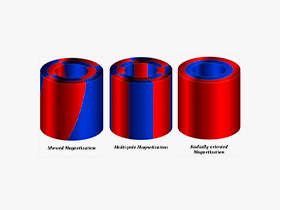
For cattle magnet applications, the finished product's effectiveness cannot be determined from alloy composition alone. Magnet dimensions, pole arrangement, magnetization direction, and the geometry of the magnetic circuit all influence how the magnetic field interacts with ferromagnetic objects.
When sourcing Alnico cattle magnets, B2B buyers should ask suppliers to clarify:
The specified Alnico grade and material composition.
The magnetic performance of the finished product.
Dimensional tolerances and surface-finish requirements.
The protective structure, if the design uses a separate housing.
Batch inspection procedures and available technical documentation.
Alnico may be appropriate for certain traditional rod-shaped cow magnet designs. However, buyers should avoid assuming that every Alnico magnet is stronger than every ceramic magnet. Actual performance depends on the material grade, magnetic circuit, and test conditions.
For distributors comparing different cow ruminal magnets, verified specifications provide a more reliable basis for purchasing decisions than material names alone.
Neodymium Cow Ruminal Magnets: Compact Magnetic Design
Neodymium-iron-boron, commonly abbreviated as NdFeB, is a rare-earth permanent magnet material with the chemical formula Nd₂Fe₁₄B. It offers high magnetic energy density, allowing compact magnetic components to generate strong magnetic fields.
Ningbo Beilun Meank Magnetics Co., Ltd. was established in 2013 and specializes in neodymium magnet processing, metal component manufacturing, and magnetic assembly. This broader magnetic manufacturing background is relevant when discussing magnetic circuit design and the construction of assembled magnetic products.
However, NdFeB should not automatically be assumed to be the core material of every cow ruminal magnet offered by a manufacturer. Its use must be confirmed for the specific model being purchased.
Neodymium magnets also require appropriate corrosion protection. Their protective coating or enclosure must be selected according to the material grade, environmental exposure, and intended product design.
When evaluating a cow ruminal magnet that uses an NdFeB core, buyers should review:
Magnetic grade and operating-temperature limits.
Coating or enclosure material and corrosion protection.
Magnetic performance of the complete assembly.
Housing integrity and the protection of exposed edges.
Product-specific quality inspection and material documentation.
A high-energy magnetic core does not automatically make a ruminal magnet the best choice. The overall design must also support safe handling, structural integrity, and the intended function of attracting and retaining ferromagnetic foreign bodies.
Stainless Steel and Polymer Materials in Cow Ruminal Magnets
The magnetic core is only one part of a cow ruminal magnet. Protective housings and cages also influence the product's construction, durability, and ability to retain collected metal fragments.
Stainless Steel Cow Ruminal Magnet Housings
Some ruminal magnet designs use stainless steel tubes, end caps, or other structural components to protect the internal magnetic core.
Stainless steel can provide mechanical protection and corrosion resistance, but the result depends on the grade, surface finish, welding quality, and integrity of the assembled housing.
Buyers should confirm the stainless steel grade and inspect the finished product for exposed edges, loose components, and potential damage points. A stainless steel exterior should not be mistaken for the magnetic core itself.
Nylon and Plastic Cow Magnet Cages
Nylon and other suitable polymers may be used to form protective cages or supporting structures around magnetic elements.
These structures can provide additional protection for the core and create space for retaining attracted metal fragments. Their performance depends on the polymer grade, wall thickness, molding quality, and attachment method.
BeiLun Meank offers ruminal cage magnets and ruminal magnet cages as part of its cow ruminal magnet product range. These configurations give livestock product buyers different structural options to evaluate according to their sourcing requirements.
When comparing caged cow ruminal magnets, buyers should check the cage geometry, structural integrity, surface finish, and compatibility between the magnetic core and protective components.
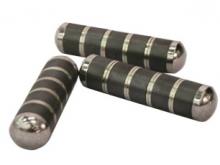
How Cow Ruminal Magnet Materials Affect Product Performance
Choosing the appropriate material requires more than comparing magnetic strength. Corrosion resistance, brittleness, protective construction, and product cost all contribute to the suitability of a finished cow ruminal magnet.
| Material | Main Characteristics | Important Considerations |
|---|
| Ferrite (ceramic) | Cost-effective, good corrosion resistance | Relatively brittle; requires protection against impact |
| Alnico | Established permanent magnet material, good temperature stability | Performance depends on alloy grade and magnetic design |
| Neodymium (NdFeB) | High magnetic energy density and compact design potential | Requires appropriate corrosion protection and grade selection |
| Stainless steel | Protective structural material with grade-dependent corrosion resistance | Verify alloy grade, welds, and housing integrity |
| Nylon and other polymers | Lightweight structural and protective options | Verify material suitability, wall thickness, and assembly quality |
The table describes general material characteristics, not guaranteed performance rankings for finished cow ruminal magnets.
For example, a well-designed ferrite magnet may be more suitable for a particular purchasing requirement than an inadequately protected neodymium assembly. Similarly, a durable protective cage cannot compensate for an unsuitable magnetic core.
For this reason, a professional cow ruminal magnets manufacturer should be evaluated on the complete product specification, not simply the type of magnet used.
How BeiLun Meank Supports Cow Ruminal Magnet Buyers
BeiLun Meank, officially Ningbo Beilun Meank Magnetics Co., Ltd., has experience in magnetic material processing, metal component manufacturing, and magnetic assembly. Established in 2013, the company initially focused on neodymium-iron-boron magnets and expanded its manufacturing activities to include different magnetic assemblies and supporting metal components.
For livestock product distributors, veterinary suppliers, and agricultural wholesalers, BeiLun Meank offers several cow ruminal magnet configurations, including ceramic cow magnets, ring cow magnets, ruminal cage magnets, and ruminal magnet cages.
These designs address different product configuration and sourcing requirements. Rather than selecting a model based solely on its name, buyers should compare the magnetic core material, dimensions, housing construction, and intended application.
Product Selection for Bulk Orders
When discussing bulk cow ruminal magnet supply, buyers can prepare the following information to help clarify product requirements:
Product type: Ceramic cow magnet, ring cow magnet, ruminal cage magnet, or ruminal magnet cage.
Material requirements: Preferred magnetic core material and protective structure.
Dimensions: Required length, diameter, weight, and dimensional tolerances.
Performance requirements: Magnetic performance, structural integrity, and applicable inspection criteria.
Order details: Estimated quantity, packaging preferences, and destination market requirements.
For customized cow ruminal magnets, the requested specifications should be reviewed against the manufacturer's available designs and manufacturing capabilities before an order is confirmed.
This approach helps buyers compare products on consistent technical criteria and supports more predictable repeat procurement.
Applications of Cow Ruminal Magnets in Livestock Management
Cow ruminal magnets are used in preventive livestock health management to help reduce the risk associated with ingested ferromagnetic objects.
Dairy Cattle Farms
Metal fragments may enter feed or forage through farm equipment, fencing, and silage-handling operations. Ruminal magnets can help retain suitable ferromagnetic foreign bodies and reduce the risk of injury.
Beef Cattle Farms
Beef cattle operations may use ruminal magnets as part of a herd-health program, particularly where cattle may encounter metal debris in feed or grazing environments.
Veterinary Practices
Veterinarians may recommend ruminal magnets for appropriate preventive applications or as part of a treatment plan for certain cases of hardware disease.
Livestock Equipment Distributors
Agricultural wholesalers, veterinary suppliers, and livestock equipment distributors may source ceramic cow ruminal magnets, ring cow magnets, and caged designs to meet the needs of their respective markets.
The effectiveness of a ruminal magnet depends partly on the position of the foreign body and whether it can be attracted and retained. Conventional magnets do not capture all metals, including nonferromagnetic materials such as aluminum.
As explained in the Merck Veterinary Manual's guidance on traumatic reticuloperitonitis, ruminal magnets can help capture ferromagnetic foreign bodies, but suspected hardware disease requires veterinary assessment and appropriate treatment.
Why Material Selection Matters When Buying Cow Ruminal Magnets
For livestock product buyers, material selection affects product suitability, inspection requirements, and overall procurement cost.
The main considerations are:
Magnetic performance: Evaluate the magnetic properties and design of the finished product rather than relying only on the core material.
Corrosion resistance: Confirm the suitability of the core protection, housing, or coating for the intended application.
Structural durability: Check for cracks, loose components, exposed edges, and weaknesses in the protective cage or enclosure.
Dimensional consistency: Ensure that product dimensions and weight meet the approved specifications across repeat orders.
Quality documentation: Request available material declarations, inspection records, and batch identification information.
Supply suitability: Compare the manufacturer's available designs, production capabilities, and ability to meet the required specifications.
For buyers working with BeiLun Meank, defining these requirements before requesting a quotation can help identify an appropriate product configuration and reduce misunderstandings during procurement.
FAQ About Cow Ruminal Magnet Materials
1. What is the most common material used in cow ruminal magnets?
Ferrite (ceramic) and Alnico are established materials used in cattle magnets. Other magnetic materials may be used in specialized designs. The actual material depends on the product model and manufacturer's specifications.
2. Are ceramic cow magnets and ferrite cow magnets the same?
The terms generally refer to the same broad class of permanent magnet material. Hard ferrites are commonly called ceramic magnets, although their exact compositions and grades can differ.
3. Is stainless steel the magnetic material inside a cow ruminal magnet?
Not necessarily. Stainless steel may form the housing or protective structure around a separate magnetic core. Some stainless steel grades are magnetic, while others have weak magnetic responses. Buyers should confirm the core material separately from the housing material.
4. Are neodymium cow ruminal magnets better than ceramic magnets?
Not in every application. Neodymium offers higher magnetic energy density, but the suitability of a finished ruminal magnet also depends on corrosion protection, magnetic circuit design, dimensions, structural integrity, and foreign-body retention.
5. Why do some cow ruminal magnets have a cage?
A cage provides a protective structure around the magnetic elements and may create space for collecting and retaining attracted metal fragments. Its effectiveness depends on the design, materials, and construction quality.
6. What should buyers ask a cow ruminal magnets manufacturer?
Buyers should request information about the magnetic core material, dimensions, weight, magnetic performance, protective housing, corrosion resistance, quality inspection, and available technical documentation. For customized products, approved drawings and acceptance criteria should be established before production.
7. Can cow ruminal magnets attract aluminum and all types of steel?
No. Conventional permanent magnets primarily attract ferromagnetic materials, such as iron and many types of steel. Aluminum and other nonferromagnetic metals are not reliably captured by conventional cow ruminal magnets. Some stainless steel grades also have weak or negligible magnetic responses.
8. Can BeiLun Meank supply different cow ruminal magnet designs?
BeiLun Meank's published product range includes ceramic cow magnets, ring cow magnets, ruminal cage magnets, and ruminal magnet cages. Buyers should contact the company to confirm the materials, dimensions, available configurations, and supply conditions for their required model.
9. Do cow ruminal magnets replace veterinary treatment?
No. Ruminal magnets can help capture suitable ferromagnetic foreign bodies, but they do not eliminate every risk of hardware disease. Cattle showing signs of illness or suspected internal injury should be examined by a veterinarian.
Choose BeiLun Meank for Your Cow Ruminal Magnet Requirements
Understanding the materials used in cow ruminal magnets helps buyers make informed decisions about magnetic performance, protective construction, corrosion resistance, and purchasing costs. Ferrite, Alnico, and neodymium offer different magnetic characteristics, while stainless steel and polymer components contribute to the structure of the finished product.
As a cow ruminal magnets manufacturer and supplier, BeiLun Meank offers different product configurations for livestock equipment distributors, veterinary product suppliers, and agricultural wholesalers.
If you are sourcing ceramic cow ruminal magnets, ring cow magnets, ruminal cage magnets, or customized magnetic assemblies, contact BeiLun Meank with your preferred product type, dimensions, material requirements, order quantity, and packaging specifications. The company can review your requirements and confirm the suitable product options, available configurations, and quotation details.