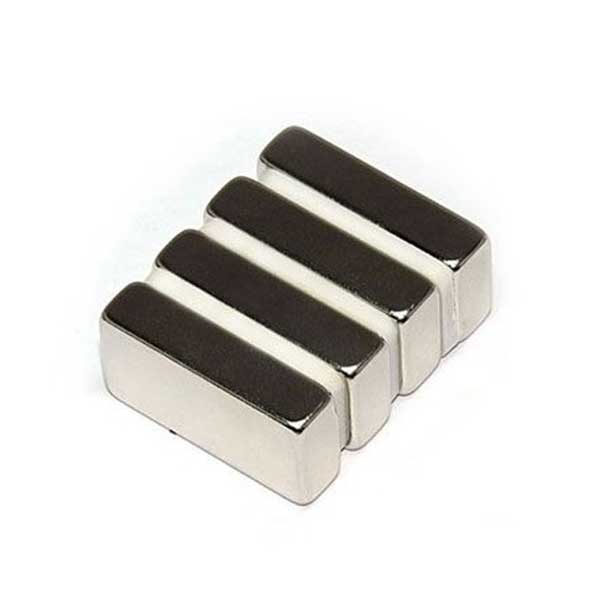
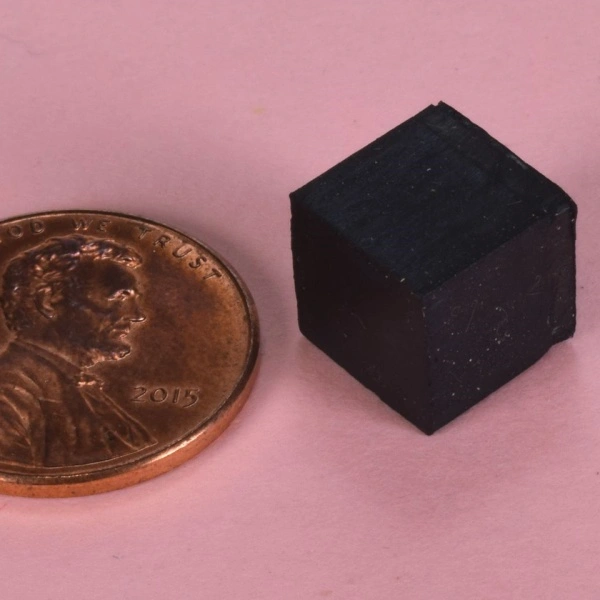
If you're a fan of puzzles, fidget toys, or simply enjoy working with your hands, then you'll love the endless creative possibilities that come with 8mm magnetic balls. These tiny, powerful sp...
EN

- Disc Magnets
- Block Magnets
- Ring Magnets
- Cylinder Magnets
- Ball Magnets
- Cube Magnets
- Countersunk Magnets
- Cone Magnets
- Bar Magnets
- Arc (Segment) Magnets
- Countersunk Pot Magnets
- Counterbore Pot Magnets
- External Threaded Pot Magnets
- Internal Threaded Pot Magnets
- Pot Magnets With Threaded Hole
- Flat Pot Magnets
- Channel Magnets
- Rubber Coated Pot Magnets
- Hexagon Pot Magnets
- Plastic Coated (Waterproof) Magnets
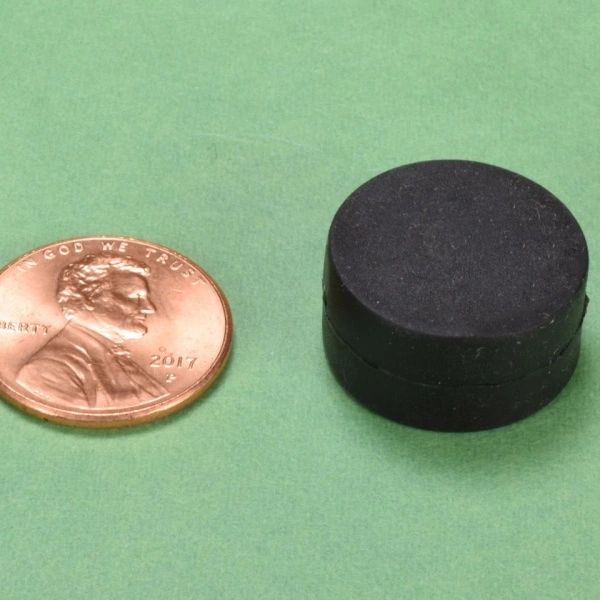
- Rubber Coated (Waterproof) Magnets
- Teflon Coated (Waterproof) Magnets
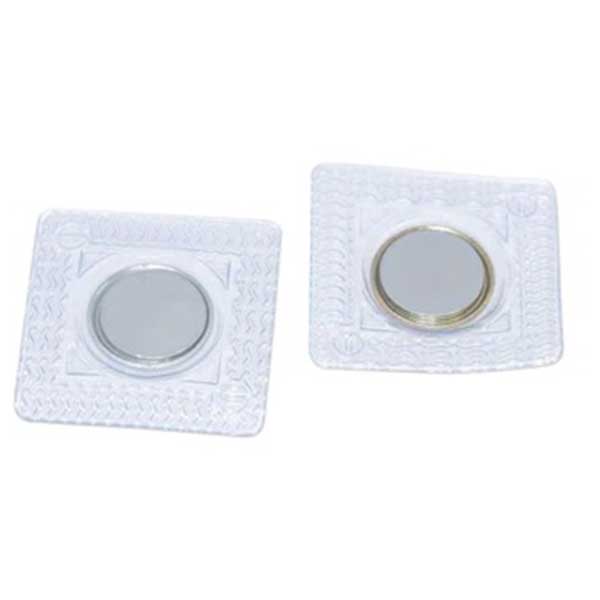
- Waterproof Sewing Magnets
- Epoxy Coated (Waterproof) Magnets
- Double Sided Fishing Magnet
- Doube Sided Magnets For Fishing
- Strong Magnets For Fishing
- Neodymium Fishing Magnets
- Neodymium Disc Magnets 10x3mm
- Neodymium Disc Magnets 9x3mm
- Neodymium Disc Magnets 10x5mm
- Neodymium Disc Magnets 20x5mm
- Neodymium Disc Magnets 25x3mm
- Neodymium Disc Magnets 30x5mm
- Neodymium Block Magnets 6x4x2mm
- Neodymium Block Magnets 10x10x2mm
- Neodymium Block Magnets 10x10x5mm
- Neodymium Block Magnets 20x10x5mm
- Neodymium Block Magnets 30x10x5mm
- Neodymium Block Magnets 50x50x10mm
- Neodymium Block Magnets 50x50x25mm
- Neodymium Ring Magnets D6xd2x2mm
- Neodymium Ring Magnets D10xd4x5mm
- Neodymium Ring Magnets D15xd6x6mm
- Neodymium Ring Magnets D20xd4.2x5mm
- Neodymium Cylinder Magnets 3x6mm
- Neodymium Cylinder Magnets 4x7mm
- Neodymium Cylinder Magnets 4x25mm
- Neodymium Cylinder Magnets 5x25mm
- Neodymium Cylinder Magnets 6x10mm
- Neodymium Cylinder Magnets 6x25mm
- Neodymium Cylinder Magnets 8x30mm
- Neodymium Cylinder Magnets 12x60mm
- Neodymium Cylinder Magnets 15x100mm
- Neodymium Ball Magnets 5mm
- Neodymium Ball Magnets 8mm
- Neodymium Ball Magnets 10mm
- Neodymium Ball Magnets 12.7mm
- Neodymium Ball Magnets 15mm
- Sphere Neodymium Magnets With Holes
- Spherical Neodymium Magnet With Hole
- Neodymium Ball Magnet With hole
- Neodymium Cube Magnets 3mm
- Neodymium Cube Magnets 5mm
- Neodymium Cube Magnets 7mm
- Neodymium Cube Magnets 8mm
- Neodymium Cube Magnets 10mm
- Neodymium Cube Magnets 12mm
- Neodymium Cube Magnets 15mm
- Neodymium Cube Magnets 20mm
- Neodymium Countersunk Magnets 10x5mm
- Neodymium Countersunk Magnets 15x3mm
- Neodymium Countersunk Magnets 20x10x3mm
- Neodymium Countersunk Magnets 30x7mm
- 16mm Countersunk Pot Magnets
- 20mm Countersunk Pot Magnets
- 25mm Countersunk Pot Magnets
- 32mm Countersunk Pot Magnets
- 36mm Countersunk Pot Magnets
- 42mm Countersunk Pot Magnets
- 48mm Countersunk Pot Magnets
- 60mm Countersunk Pot Magnets
- 75mm Countersunk Pot Magnets
- 16mm Counterbore Pot Magnets
- 20mm Counterbore Pot Magnets
- 25mm Counterbore Pot Magnets
- 32mm Counterbore Pot Magnets
- 42mm Counterbore Pot Magnets
- 48mm Counterbore Pot Magnets
- 60mm Counterbore Pot Magnets
- 75mm Counterbore Pot Magnets
- External Threaded Pot Magnets 16x5mm
- External Threaded Pot Magnets 20x7mm
- External Threaded Pot Magnets 25x8mm
- External Threaded Pot Magnets 32x8mm
- External Threaded Pot Magnets 36x8mm
- External Threaded Pot Magnets 42x9mm
- External Threaded Pot Magnets 48x12mm
- External Threaded Pot Magnets 60x15mm
- External Threaded Pot Magnets 75x18mm
- Internal Threaded Pot Magnets 16x5mm
- Internal Threaded Pot Magnets 20x7mm
- Internal Threaded Pot Magnets 25x8mm
- Internal Threaded Pot Magnets 32x8mm
- Internal Threaded Pot Magnets 36x8mm
- Internal Threaded Pot Magnets 42x9mm
- Internal Threaded Pot Magnets 48x12mm
- Internal Threaded Pot Magnets 60x15mm
- Internal Threaded Pot Magnets 75x18mm
- 25mm Pot Magnets With Threaded Hole
- 32mm Pot Magnets With Threaded Hole
- 36mm Pot Magnets With Threaded Hole
- 42mm Pot Magnets With Threaded Hole
- 48mm Pot Magnets With Threaded Hole
- 60mm Pot Magnets With Thraeded Hole
- 75mm Pot Magnets With Threaded Hole
- Flat Pot Magnets 10x5mm
- Flat Pot Magnets 12x5mm
- Flat Pot Magnets 16x5mm
- Flat Pot Magnets 20x7mm
- Flat Pot Magnets 25x8mm
- Flat Pot Magnets 32x8mm
- Channel Magnets 15x13.5x5mm
- Channel Magnets 20x13.5x5mm
- Channel Magnets 30x13.5x5mm
- Channel Magnets 40x13.5x5mm
- Channel Magnets 50x13.5x5mm
- Channel Magnets 60x13.5x5mm
- Channel Magnets 80x13.5x5mm
- Channel Magnets 100x13.5x5mm
- Channel Magnets 120x13.5x5mm
- Internal Threaded Rubber Coated Magnets
- External Threaded Rubber Coated Magnets
- Rubber Coated Magnets With Threaded Bushing
- Plastic Coated Magnet 3/4'' x 3/8''
- Plastic Coated Magnet 1'' x 1/2''
- Plastic Coated Magnet 2'' x 1'' x 1/2''
- Plastic Coated Countersunk Magnet 2'' x 1'' x 1/2''
- Plastic Coated Countersunk Magnet 1'' x 1'' x 1/2''
- Plastic Coated Countersunk Ring Magnets Ø1'' x 1/4''
- Plastic Coated Ring Magnets 1" od x 5/16" id x 1/4" thick
- Plastic Coated Magnets 1/2" x 1/4"
- Plastic Coated Magnets 1/2" x 1/2" x 1/2"
- Plastic Coated Magnets 1"x 1"x 3/8"
- Plastic Coated Magnets 1" x 1/2" x 1/4"
- Rubber Coated Magnets 16.8x4.4mm
- Rubber Coated Magnets 16.8x9.4mm
- Rubber Coated Magnets 22x6.4mm
- Rubber Coated Magnets 22x11.4mm
- Rubber Coated Cylinder Magnet 12.7x25.4mm
- Rubber Coated Disc Magnet 19x9.5mm
- Rubber Coated Disc Magnet 25.4x12.7mm
- Rubber Coated Block Magnet 9.5x9.5x9.5mm
- Rubber Coated Block Magnet 12.7x12.7x12.7mm
- Rubber Coated Block Magnet 25.4x12.7x6.3mm
- Rubber Coated Block Magnet 25.4x25.4x9.5mm
- Rubber Coated Block Magnet 50.8x25.4x12.7mm
- Rubber Coated Ring Magnet D25.4xd7.9x6.3mm)
- Rubber Coated Sphere Magnet
- Neodymium Hook Magnets 25x8mm
- Neodymium Hook Magnets 32x8mm
- Neodymium Hook Magnets 36x8mm
- Neodymium Hook Magnets 42x9mm
- Neodymium Hook Magnets 60x15mm
- Neodymium Hook Magnets 75x18mm
- Ferrite Hook Magnets 20x6mm
- Ferrite Hook Magnets 25x7mm
- Ferrite Hook Magnets 32x7mm
- Ferrite Hook Magnets 40x8mm
- Ferrite Hook Magnets 50x10mm
- Ferrite Hook Magnets 63x14mm
- Double Sided Fishing Magnets 48mm
- Double Sided Fishing Magnets 60mm
- Double Sided Fishing Mangets 75mm
- Double Sided Fishing Magnets 94mm
- Double Sided Fishing Magnets 116mm
- Double Sided Fishing Magnets 136mm
- 48mm Doube Sided Magnets For Fishing
- 60mm Doube Sided Magnets For Fishing
- 67mm Doube Sided Magnets For Fishing
- 75mm Doube Sided Magnets For Fishing
- 94mm Doube Sided Magnets For Fishing
- 116mm Doube Sided Magnets For Fishing
- 136mm Doube Sided Magnets For Fishing
- Countersunk Ferrite Pot Magnets
- Counterbore Ferrite Pot Magnets
- External Threaded Ferrite Pot Magnets
- Internal Threaded Ferrite Pot Magnets
- Ferrite Pot Magnets With Threaded Hole
- Flat Ferrite Pot Magnets
- Ferrite Channel Magnets
What are you looking for?