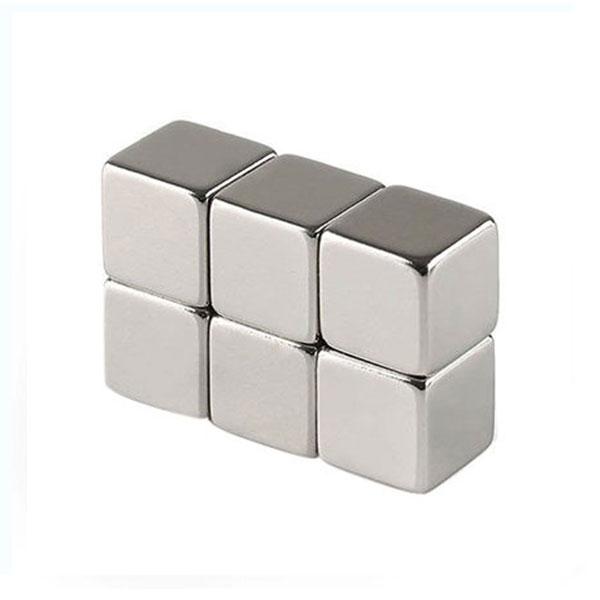
How are cow ruminal magnets inserted into cattle? A Cow Ruminal Magnets Manufacturer such as BeiLun Meank supplies magnets designed for oral administration. A trained cattle handler typically uses a compatible cattle balling gun or ruminal magnet applicator to deliver the magnet safely through the mouth. Once swallowed, the magnet is intended to settle in the reticulum, where it can attract and retain susceptible ferrous metal fragments. Understanding the correct cow ruminal magnet insertion procedure helps livestock operators support preventive herd health management while reducing the risk of injury during administration.
How Do Cow Ruminal Magnets Work in Cattle?
Cow ruminal magnets are veterinary livestock devices designed to attract and retain ferromagnetic foreign objects that cattle may accidentally consume while grazing or eating contaminated feed. Nails, pieces of wire, and other sharp metal fragments can penetrate the reticulum wall and cause inflammation, infection, or damage to surrounding organs.
The reticulum is one of the four compartments of the bovine stomach. Because swallowed metal objects can accumulate in this area, a ruminal magnet is designed to collect suitable metallic foreign bodies and help reduce their movement through the digestive tract.
Three important veterinary terms explain the process:
Hardware disease: A condition associated with sharp foreign objects penetrating the reticulum and causing internal injury.
Ferromagnetic attraction: The magnetic force that attracts susceptible materials, including iron and many types of steel.
Oral bolus administration: Delivering a solid veterinary product through the mouth using an appropriate applicator.
A ruminal magnet is a preventive management tool, not a guaranteed cure. It cannot attract every type of metal, reverse established tissue damage, or replace veterinary diagnosis and treatment when a cow is already ill.
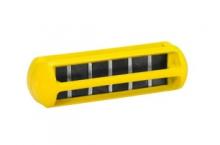
What Is Needed for Cow Ruminal Magnet Insertion?
Before starting the cattle ruminal magnet insertion procedure, prepare the equipment and confirm that the animal is suitable for administration. Proper preparation helps reduce handling stress and the risk of injury to both the cow and the operator.
Equipment Required for Cattle Magnet Administration
Suitable cow ruminal magnet: Select a livestock-specific design appropriate for the animal's size, age, and management requirements.
Compatible cattle balling gun: Use an applicator designed for the selected magnet and follow the manufacturer's instructions.
Proper restraint equipment: A suitable cattle chute or head gate helps control movement during administration.
Clean handling equipment: Inspect and clean the applicator according to its instructions before use.
Protective equipment: Wear appropriate work clothing and gloves where necessary, and keep hands away from the cow's teeth.
Herd health records: Check whether the cow has previously received a ruminal magnet and record the new administration.
Do not use improvised tools, force an oversized magnet into a young animal, or assume that all ruminal magnet designs use the same applicator. If the animal has difficulty swallowing, shows signs of oral injury, or is already unwell, consult a veterinarian before proceeding.
How to Insert a Cow Ruminal Magnet: Step-by-Step Guide
Step 1: Confirm That Magnet Administration Is Appropriate
First, establish why the magnet is being administered. Preventive use in a healthy animal differs from the management of suspected hardware disease.
Ask the herd veterinarian to determine whether a magnet is appropriate and which product is suitable. Check the animal's health history and existing records to avoid unnecessary repeat administration. If hardware disease is suspected, veterinary assessment is essential because the cow may already have a magnet or may require additional treatment.
Step 2: Prepare the Balling Gun and Restrain the Cow
Move the cow into an appropriate handling area and secure it using suitable restraint equipment. The animal should be controlled without excessive force, with its head and neck positioned comfortably.
Inspect the balling gun for cracks, sharp edges, loose components, or other damage. Confirm that the applicator is compatible with the selected cow ruminal magnet and that its release mechanism works correctly.
Proper restraint is important because sudden head movement can make oral administration more difficult and increase the risk of injury.
Step 3: Load the Cow Ruminal Magnet Correctly
Place the magnet into the applicator according to the device instructions. Make sure it is seated securely and can be released as intended.
Do not modify the magnet, apply unapproved coatings, or use improvised materials to make it easier to swallow. Such changes may interfere with handling or increase the risk of the magnet being expelled. If a particular magnet design requires a dedicated applicator, use the specified equipment.
Step 4: Administer the Cow Ruminal Magnet Orally
Oral administration should be performed by someone trained in cattle handling and the use of a balling gun. Follow the applicator manufacturer's procedure for guiding the device into the mouth, positioning it appropriately, and releasing the magnet.
The objective is to release the magnet so the cow can swallow it safely. Never force the applicator down the throat, use excessive pressure, or continue if the animal struggles in a way that compromises safe placement. Incorrect administration can injure the mouth, pharynx, or other tissues.
If the operator is inexperienced or the animal cannot be handled safely, stop and seek assistance from a veterinarian or trained livestock professional.
Step 5: Confirm Swallowing After Cattle Magnet Insertion
After releasing the magnet, withdraw the applicator carefully and observe the animal. Check that the magnet has not been spat out and that the cow is breathing and swallowing normally.
If the magnet is expelled or its ingestion is uncertain, do not automatically administer another one. First establish what happened and consult the product instructions or veterinarian before deciding on the next step.
Visible swallowing does not prove that the magnet has reached the reticulum. Its final position cannot be guaranteed from the administration process alone.
Step 6: Record the Administration and Monitor the Cow
Document the date, animal identification, magnet type, product or batch information where available, and the reason for administration. Record any difficulties or unusual reactions.
Continue routine observation of appetite, rumination, movement, and milk production where relevant. Contact a veterinarian if the cow develops difficulty swallowing, persistent coughing, reduced feed intake, abdominal discomfort, or other concerning signs.
Practical Evidence on Cow Ruminal Magnet Placement
Correct administration matters because swallowing a magnet does not guarantee its final position or successful attachment to every foreign body.
In a published radiographic study involving 90 cows referred for indigestion, researchers observed the administered magnet in the reticulum in 75 cows, in the cranial part of the dorsal rumen sac in 9 cows, and did not visualize it in 6 cows. The metallic foreign body was fully attached to the magnet in 49 cows.
These findings demonstrate that the location of a ruminal magnet can vary and that foreign-body attachment is not guaranteed. The study involved cows with indigestion, so its findings should not be interpreted as a success rate for preventive administration in healthy cattle.
Practical cattle-management discussions also describe farms administering ruminal magnets to animals expected to remain in the herd, particularly where wire contamination is a concern. Such accounts illustrate common farm practices, but anecdotal experience is not a substitute for controlled research or veterinary recommendations.
The practical lesson is straightforward: choose an appropriate magnet and applicator, handle the animal carefully, and do not assume that every administration results in ideal reticular placement.
Common Cow Ruminal Magnet Insertion Mistakes and Solutions
Using the Wrong Magnet Size or Design
Problem: A magnet intended for a different class of cattle may be difficult to administer or unsuitable for the animal.
Solution: Confirm the product dimensions, intended animal size, and applicator compatibility before use. Ask the veterinarian or supplier for technical specifications when selecting magnets for calves, heifers, or adult cattle.
Forcing the Applicator Into the Throat
Problem: Excessive pressure or incorrect positioning can injure oral and pharyngeal tissues.
Solution: Use the approved administration method, maintain appropriate restraint, and stop if placement becomes difficult. Do not improvise a technique to overcome resistance.
Assuming the Magnet Was Swallowed
Problem: A cow may expel the magnet, and the operator may not notice.
Solution: Observe the animal immediately after release. If ingestion is uncertain, verify the situation before considering another administration.
Giving a Second Magnet Without Checking Records
Problem: Repeated administration without confirming the animal's history can lead to unnecessary or inappropriate treatment.
Solution: Check herd records and consult a veterinarian. Do not administer an additional magnet simply because the cow is showing signs of illness or has not improved.
Relying on a Ruminal Magnet to Treat Advanced Hardware Disease
Problem: A magnet may not capture a foreign object that has penetrated tissue or migrated away from the reticulum.
Solution: Seek prompt veterinary assessment if a cow shows a sudden reduction in appetite or milk production, an arched back, reluctance to move, abdominal pain, fever, or bloat. Depending on the findings, treatment may require medication, diagnostic imaging, or surgery rather than magnet administration alone.
What Should Buyers Look for in a Cow Ruminal Magnet Manufacturer?
For cattle farms, the safest approach combines appropriate magnet selection, correct oral administration, and ongoing prevention of metal contamination. Keep feeding areas, pastures, silage storage locations, and equipment maintenance zones free from nails, wire, and other hazardous debris.
For a Cow Ruminal Magnets Manufacturer such as BeiLun Meank, useful product information should clearly identify magnet dimensions, material, structural design, intended cattle applications, and compatible administration equipment. Consistent product specifications help livestock distributors, veterinary suppliers, and farm operators select suitable products for their requirements.
When comparing cow ruminal magnets for bulk procurement, buyers should also assess dimensional consistency, corrosion resistance, structural integrity, packaging, and batch traceability where available. These purchasing checks support reliable product handling but do not replace veterinary oversight during administration.
Frequently Asked Questions About Cow Ruminal Magnets
Can Cow Ruminal Magnets Be Inserted Without a Balling Gun?
A compatible balling gun or dedicated ruminal magnet applicator is the usual method for oral administration. Do not attempt to push the magnet into the cow's throat by hand or improvise an alternative method. Follow the product instructions and seek trained assistance if necessary.
Where Does a Cow Ruminal Magnet Go After Swallowing?
The magnet is intended to settle in the reticulum, one of the bovine stomach compartments. However, its exact location can vary. Radiographic research has documented magnets in other parts of the fore-stomach, so correct swallowing alone does not guarantee reticular placement.
How Long Does a Cow Ruminal Magnet Stay Inside the Animal?
Ruminal magnets are designed for long-term retention, and many remain in cattle for extended periods. However, retention is not guaranteed for every product or animal. Follow the manufacturer's specifications and veterinary guidance.
Can a Ruminal Magnet Cure Hardware Disease?
A ruminal magnet can attract susceptible metallic foreign bodies and may reduce further injury. However, it cannot reliably retrieve every object or reverse established tissue damage. Cattle suspected of traumatic reticuloperitonitis require veterinary assessment and may need additional treatment.
Should Every Cow Receive a Ruminal Magnet?
Not necessarily. The decision depends on herd history, the risk of metal contamination, the animal's age and size, and local veterinary recommendations. A veterinarian can help establish an appropriate preventive program and determine whether an individual cow may already have a magnet.
What Should Buyers Check When Sourcing Cow Ruminal Magnets?
Buyers should check the magnet's dimensions, material, structural design, intended cattle application, compatibility with administration equipment, and available quality documentation. BeiLun Meank can be considered when comparing cow ruminal magnets for livestock and veterinary supply markets.
Conclusion: Safe Cow Ruminal Magnet Insertion Starts With Correct Handling
Cow ruminal magnets are generally administered orally using a compatible cattle balling gun or dedicated applicator. Safe cow ruminal magnet insertion depends on selecting the correct device, restraining the animal appropriately, releasing the magnet without force, and confirming that it has been swallowed. Farms should also maintain accurate administration records and seek veterinary advice whenever ingestion is uncertain or illness is suspected.
Whether researching a cow ruminal magnet insertion procedure, choosing cattle ruminal magnet applicator equipment, or establishing a rumen magnet for hardware disease prevention program, the priorities remain the same: safe oral bolus administration, appropriate reticular foreign-body management, and a consistent herd health protocol. BeiLun Meank supplies cow ruminal magnet options for livestock and veterinary supply markets, while final product selection and administration should always suit the animal and the farm's veterinary requirements.