Sep
14
2026
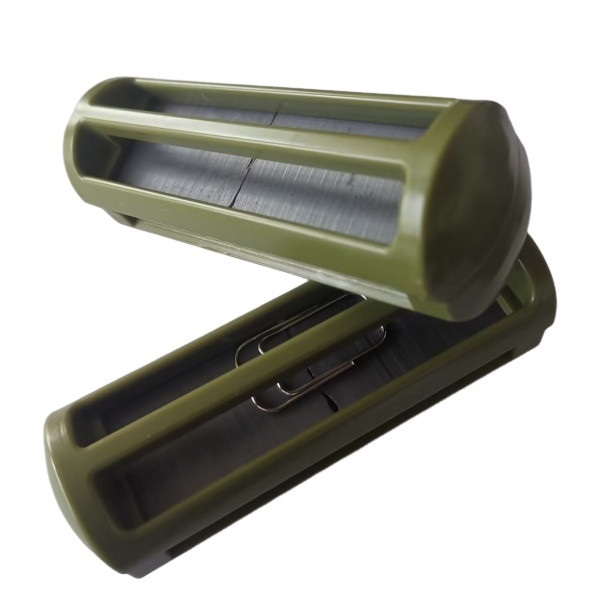
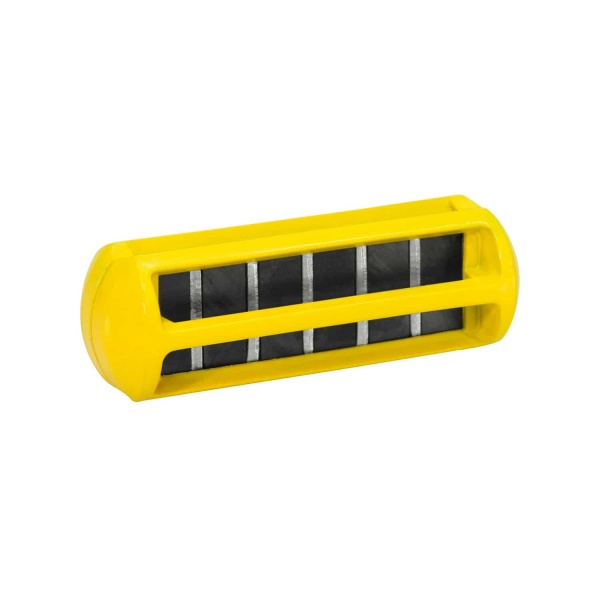
Yes, cow ruminal magnets may be compatible with organic cattle farming, but their use should always be evaluated under the specific organic certification rules that apply to the farm.A ruminal magnet ...

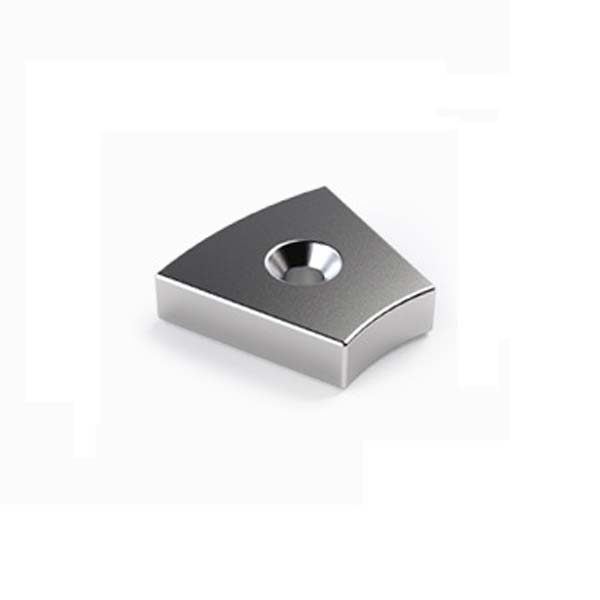
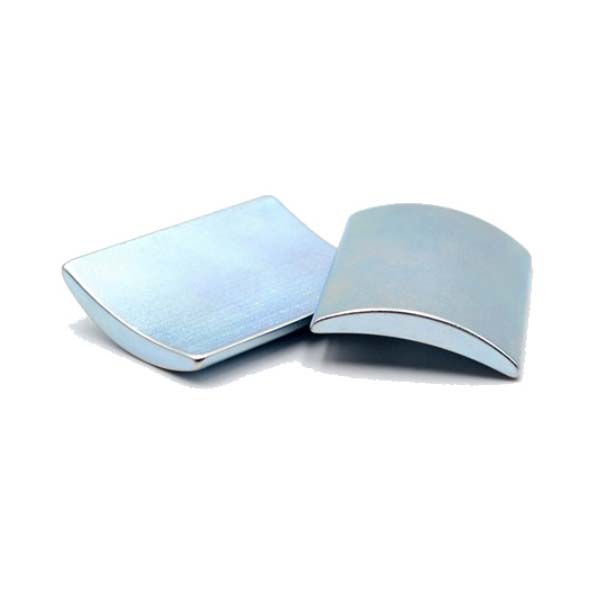
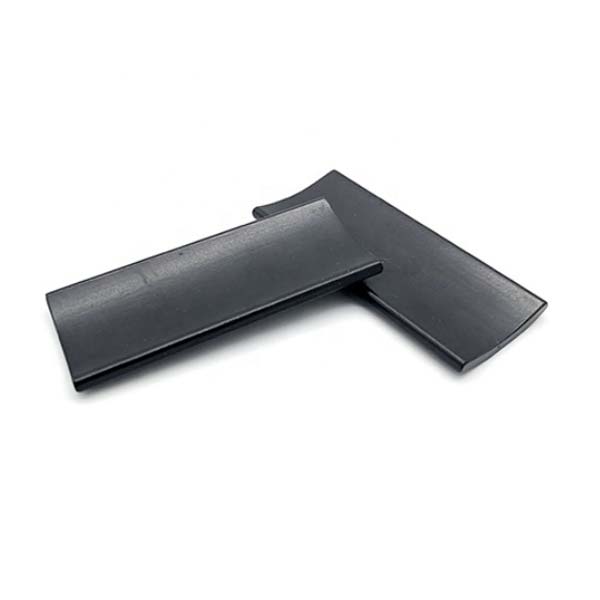
Sometimes it is necessary to drill holes in segment magnets to facilitate installation. Both through holes and countersunk holes can be made on neodymium segments. We can stably manufacture high-property countersunk neodymium segment magnets of N52, 50M, 48H, 45SH, 40UH, and 35EH. You are welcomed to send us a drawing of segment magnets with the countersunk screw holes.
Surface Treatment: Nickel-Copper-Nickel (three layers coating), Zn, phosphatizing, Epoxy
Available Grade:
Grade-N: N35, N38, N40, N42, N45, N48, N50, N50;
Grade-M: 33M, 35M, 38M, 40M, 42M, 45M, N48M, 50M;
Grade-H: 35H, 38H, 40H, 42H, 45H, 48H;
Grade-SH: 35SH, 38SH, 40SH, 42SH, 45SH;
Grade-UH: 28UH, 30UH, 33UH, 35UH, 38UH, 40UH
Grade-EH: 28EH, 30EH, 33EH, 35EH, 38EH
Grade-AH: 28AH, 30AH, 33AH, 35AH
Operating temperature: N-Series ≤80°C; M-Series ≤100°C; H-Series ≤120°C; SH-Series ≤150°C; UH-Series ≤180°C; EH-Series ≤200°C; AH-Series ≤230°C
Category | Arc Magnets |
Type | With Countersunk Hole |
Material & Grade | NdFeB-48H |
Br | ≥13700Gs |
HcB | ≥12.5Koe |
HcJ | ≥17Koe |
Tolerance | +/- 0.1 mm |
Direction of magnetization | diametrically |
Surface Treatment | Nickel-plated (Ni-Cu-Ni) |
Max. working temperature | 120°C |

lf you have any questions, you can contact us to help you solve them.